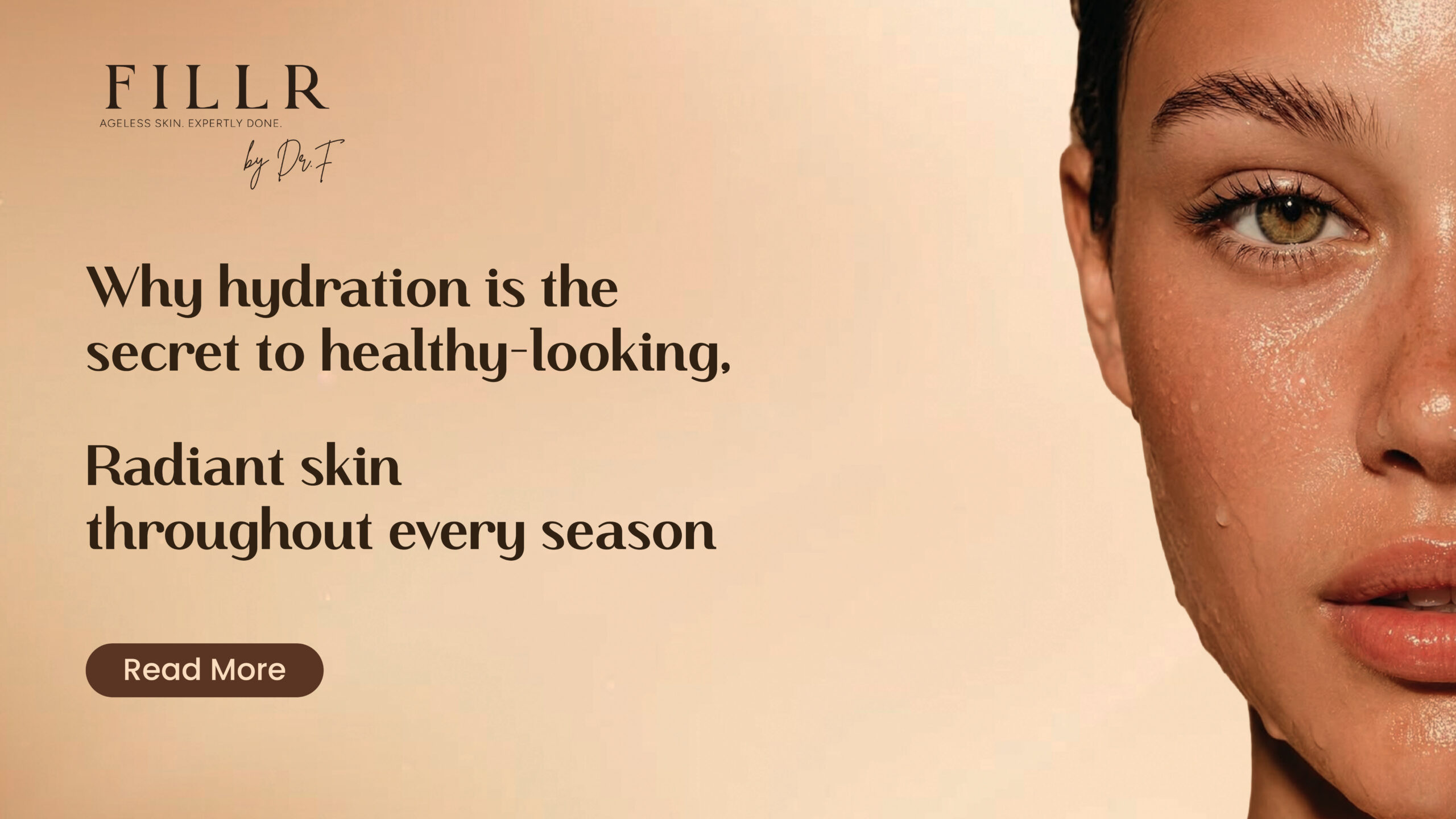
When people think about achieving glowing skin, their attention often gravitates towards powerful active ingredients, advanced anti-ageing treatments, or increasingly elaborate skincare rituals. Yet one of the most influential contributors to healthy-looking skin remains remarkably understated: hydration.
Skin hydration is the invisible foundation upon which beautiful skin is built. It influences nearly every aspect of skin health, shaping texture, elasticity, radiance, resilience, and the unmistakable luminosity often associated with youthful skin. Much like a masterpiece loses its brilliance when deprived of light, dehydrated skin can appear dull, fatigued, uneven, and prematurely aged regardless of skin type. In contrast, well-hydrated skin appears smoother, brighter, plumper, and effortlessly refined.
Understanding how hydration improves skin health is not simply a skincare consideration. It is one of the most effective ways to preserve radiant skin throughout every season and create the conditions for long-term skin vitality.
What Is Skin Hydration?
Skin hydration refers to the amount of water retained within the skin’s layers. Adequate hydration allows the skin barrier to function properly, helping it defend against environmental stressors while maintaining softness, elasticity, and overall skin quality.
Many people assume dry skin and dehydrated skin are the same thing. They are not.
Dry skin is a skin type characterised by a lack of oil production. Dehydrated skin is a skin condition caused by insufficient water content within the skin. Even oily or combination skin can become dehydrated.
This distinction is important because many individuals experiencing excess oil production, congestion, or breakouts may actually be dealing with underlying dehydration.
The Connection Between Hydrated Skin and Skin Health
The skin barrier acts as the body’s first line of defence against pollution, UV exposure, bacteria, and environmental aggressors. When hydration levels are compromised, the barrier becomes less effective.
As a result, dehydrated skin may experience:
- Increased sensitivity
- Rough texture
- Tightness and discomfort
- More visible fine lines
- Uneven tone
- Loss of radiance
- Reduced elasticity
Proper hydration supports cellular function, improves skin resilience, and helps maintain a smoother, healthier appearance.
This is one of the primary reasons hydration for glowing skin remains a cornerstone of both medical and aesthetic skincare.
Why Skin Becomes Dehydrated Throughout the Year
Many people associate dehydration with hot weather, but seasonal changes affect skin hydration in different ways.
Summer: Heat, sun exposure, perspiration, and air-conditioned environments can all contribute to water loss. While skin may appear oily during summer, dehydration can still occur beneath the surface.
Monsoon and Humid Conditions: Humidity often creates the illusion of hydrated skin. However, excess moisture in the environment can lead to increased oil production without necessarily improving the skin’s water content.
Winter: Lower humidity levels, colder temperatures, and indoor heating systems can weaken the skin barrier and accelerate moisture loss. This often results in flaky, tight, or uncomfortable skin.
Seasonal Transitions: Sudden shifts in climate can challenge the skin’s ability to maintain balance. Many people notice increased sensitivity, dullness, and texture concerns during these transitional periods.
Maintaining consistent skin hydration throughout the year helps minimise these seasonal fluctuations.
Common Signs of Dehydrated Skin
Many individuals do not recognise dehydration until the symptoms become more pronounced.
Some of the most common signs include:
- Dull skin lacking natural luminosity.
- Fine lines appearing more noticeable.
- Tightness after cleansing.
- Increased sensitivity.
- Rough or uneven texture.
- Makeup settling into lines.
- Reduced elasticity.
- Tired-looking complexion.
If your skin appears fatigued despite adequate sleep and skincare, dehydration may be a contributing factor.
How Hydration Improves Skin Health
Hydration supports several biological processes that influence the appearance and function of the skin.
- Improved Elasticity: Water helps maintain skin flexibility and suppleness. Well-hydrated skin tends to appear firmer and more resilient.
- Enhanced Barrier Function: A properly hydrated skin barrier helps reduce moisture loss while protecting against environmental damage.
- Better Texture: Hydration smooths the appearance of rough or uneven skin, creating a softer and more refined surface.
- Increased Radiance: One of the most visible benefits of hydrated skin is improved luminosity. Hydrated skin reflects light more effectively, contributing to a naturally radiant appearance.
- Reduced Appearance of Fine Lines: While hydration cannot eliminate wrinkles, it can temporarily soften the appearance of dehydration-related fine lines and creasing.
How to Keep Skin Hydrated Naturally
Professional treatments can be highly effective, but daily habits also play an important role in maintaining hydration.
Prioritise Water Intake: Internal hydration supports overall bodily function, including skin health. While water alone will not solve every skin concern, consistent intake remains essential.
Use a Gentle Cleanser: Harsh cleansers can strip the skin barrier and accelerate moisture loss. Choosing a gentle cleanser helps preserve hydration.
Incorporate Hyaluronic Acid: Hyaluronic acid is one of the most effective ingredients for attracting and retaining water within the skin.
Don’t Skip Moisturiser: Moisturisers help seal hydration into the skin and strengthen barrier function.
Protect Against UV Damage: Sun exposure is one of the leading contributors to dehydration, premature ageing, and impaired skin function. Daily sunscreen use remains essential.
Support Hydration Through Nutrition: Foods rich in antioxidants, healthy fats, and water content can contribute to healthier-looking skin.
These habits form the foundation of a hydrated skin care routine that supports long-term skin quality.
The Best Treatments for Dehydrated Skin
While home care provides daily support, professional treatments can significantly enhance hydration levels and improve overall skin health.
HydraFacial for Hydration
One of the most sought-after skin hydration treatments today is HydraFacial.
Unlike traditional facials that focus primarily on cleansing, HydraFacial combines exfoliation, extraction, hydration infusion, and targeted serum delivery within a single treatment.
Benefits include:
- Immediate hydration
- Improved skin texture
- Enhanced radiance
- Reduced congestion
- Healthier-looking skin
For individuals seekinghydrafacial for hydration, the treatment offers an effective way to restore moisture while supporting overall skin rejuvenation.
Skin Boosters
Skin boosters are injectable skin hydration treatments designed to improve hydration from within.
Rather than adding volume, they focus on enhancing skin quality, elasticity, and luminosity.
Many patients choose skin boosters to address:
- Dehydrated skin
- Dull skin
- Fine lines
- Loss of elasticity
- Overall skin quality concerns
Medical-Grade Skin Rejuvenation Treatments
Advanced skin rejuvenation treatment options often combine hydration with regenerative ingredients such as peptides, antioxidants, and growth factors.
These treatments help improve both immediate hydration and long-term skin health.
IV Therapy
Hydration-focused IV therapies provide fluids, vitamins, antioxidants, and nutrients directly into the bloodstream.
While primarily associated with wellness and recovery, they can also support overall skin vitality by addressing hydration from within.
Why Hydration Is Essential for Skin Rejuvenation
Many aesthetic concerns commonly associated with ageing are influenced by declining hydration levels.
As skin ages, it naturally produces less hyaluronic acid and becomes less efficient at retaining moisture. This contributes to:
- Reduced firmness
- More visible fine lines
- Dullness
- Loss of elasticity
- Slower recovery
Supporting hydration is often one of the most effective first steps in any skin rejuvenation strategy.
This is why many advanced skin rejuvenation treatments focus heavily on restoring moisture before addressing other concerns.
Building a Long-Term Strategy for Radiant Skin
Achieving radiant skin is rarely about finding a single miracle product. Instead, it comes from consistently supporting the skin’s ability to remain balanced, hydrated, and resilient.
A comprehensive approach often includes:
- Daily hydration-focused skincare
- Professional skin assessments
- Regular skin hydration treatments
- Sun protection
- Lifestyle and nutritional support
- Targeted skin rejuvenation when appropriate
When hydration becomes a priority, improvements are often visible not only in skin appearance but also in overall skin function.
Trends in skincare will continue to evolve, but hydration remains one of the few principles that applies universally to every skin type, age group, and season.
Healthy-looking skin depends on more than surface-level glow. It requires a strong barrier, balanced moisture levels, and consistent support both at home and through professional care.
Whether you’re dealing with dull skin, seasonal dehydration, loss of radiance, or simply looking to maintain healthier skin long-term, prioritising hydration is one of the most effective investments you can make.
Because truly radiant skin often begins with something remarkably simple: keeping it hydrated.